How Long Does Gold Gilding Really Last?
Gold gilding is a mark of true craftsmanship, and when it's done properly, it's built to last. But not all gilding ages the same way. A gilded feature wall in a five-star hotel lobby faces very different demands to a gilded mirror frame in a private luxury home, and the materials, technique, and skill behind the work all play a part in how long that lustre truly lasts.
So how long does gold gilding actually last? The honest answer depends on where it's applied, how it's applied, and by whom. In this article, we'll break down what really determines the lifespan of gold gilding, from material and technique through to environment and upkeep, so you know what to expect whether you're commissioning gilding for a luxury home or a high-end commercial space.
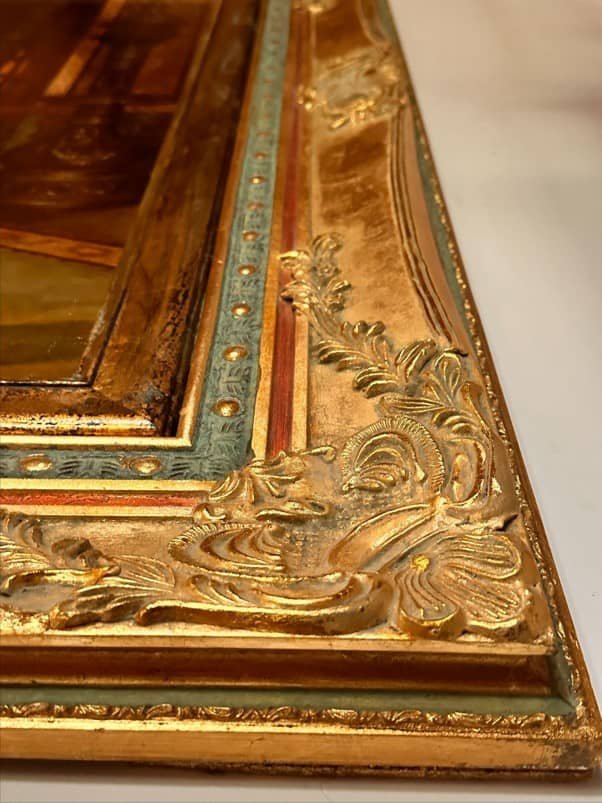
What Determines How Long Gold Gilding Lasts
The lifespan of gold gilding is primarily determined by the environment in which it sits. The purity and weight of the gold leaf can change the impact of the environment, and so too can the adhesive used to bond the gold to the object being gilded.
Gold Purity and Karat Weight
High karat gold, 23 to 24 karats, contains very little alloy metal. This means it will never tarnish or oxidise when exposed to moisture in the air. Lower-grade gold leaf, under 22 karats, or imitation leaf made from copper or brass alloys, contains base metals. These will tarnish, or turn green over the years, unless they’re heavily sealed against the elements.
Leaf Thickness and Weight
The weight, or thickness, of the gold leaf can also change the corrosion timeline. Gold leaf is measured in grams per 1,000 leaves. Thicker leaves, 18 to 23 grams per 1,000, offer much better physical durability against weathering than ultra-thin sheets of gold leaf.
Indoor vs Outdoor Gilding
Gold gilding that remains indoors can literally last for centuries. It is shielded from UV rays and harsh temperature swings of the seasons, and protected from moisture and humidity.
Outdoor gilding will typically last between 25 and 40 years, if it is of good quality and workmanship. Outdoor gilding faces constant threats from weathering, pollution and the seasonal temperature shifts. These temperature changes, even from night time to day time, can cause the substrate to contract in the cold and expand in the heat. This flex can weaken the bond between the substrate and the gold leaf, causing it to degrade.
Adhesive Quality and Surface Preparation
Two other factors that impact degradation are the quality of the adhesive, or size, and how well the surface is prepared. For exterior work, a ‘long oil size’ needs to be used. It is slow-drying and stays flexible for longer, allowing the gold leaf to flex with the object being gilded, during temperature changes. Quick-drying size can become brittle if used outdoors and will cause the leaf to fail.
Preparing the base correctly is vitally important. If your base is dirty or oily or in a state of decay (think rotting wood), then the gold leaf will lift and flake off with the failing substrate.
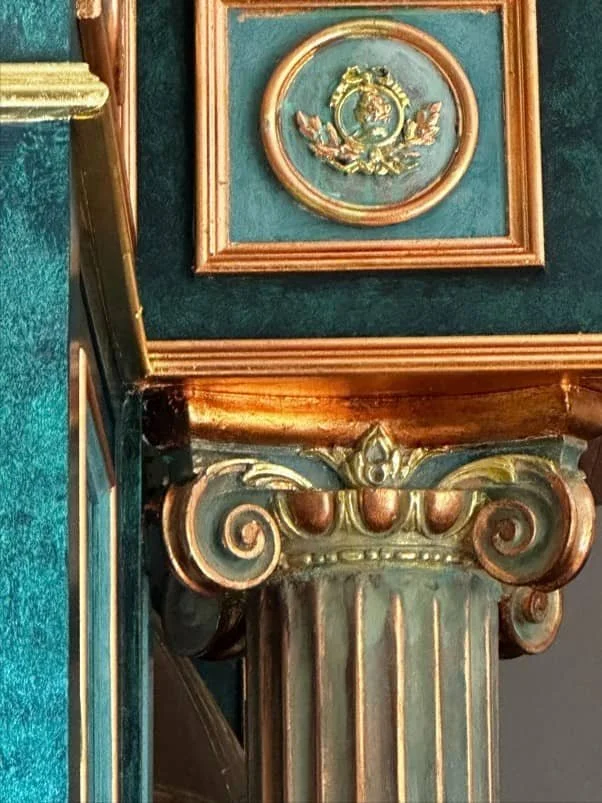
Traditional Water Gilding vs Oil Gilding: Longevity Compared
Oil gilding lasts longer in outdoor environments because it can resist water. Meanwhile, water gilding works well indoors if it is kept dry.
Oil Gilding Longevity
● Environment: Excellent for exterior and high-moisture indoor spaces.
● Vulnerability: Degrades under harsh chemical solvents, but withstands rain, sun, and temperature shifts.
● Lifespan: Decades outdoors when sealed properly against weather elements.
● Maintenance: More flexible and weather-resistant, making it ideal for outdoor statues, domes, and signs.
Traditional Water Gilding Longevity
● Environment: Strictly indoor use only.
● Vulnerability: Water dissolves the underlying rabbit skin glue and gesso base in seconds.
● Lifespan: Centuries indoors, provided it avoids humidity, moisture, and physical touch.
● Maintenance: Cannot be washed; highly fragile to liquid contact.
How Long Does Gold Gilding Last in Commercial Spaces?
In commercial spaces, gold gliding can last for many decades, particularly if applied right and maintained well over the years. Of course, it can also depend on the purity and weight of the gold used, as we’ve mentioned earlier.
Examples such as The Four Seasons Hotel in Singapore, and the Hamer Hall in Melbourne perfectly illustrated how gold gilding can raise a building’s profile,elegance, and status.
Interior vs. Exterior Longevity
● Protected Interiors (Ceilings, mouldings, high architectural details): Decades to centuries. Genuine gold leaf outlasts almost any other finish if left undisturbed out of arm's reach. It is a great investment, in that you don’t need to apply a new coat of paint every ten years or so.
● High-Touch Interiors (Handrails, reception desks, door trim): 5 to 15 years. Constant friction from hands, rings, and cleaning wears away the microscopic leaf unless heavily sealed or rotated.
Exteriors (Signage, building accents, facades):20 to 40 years. High-karat genuine gold withstands weather and UV radiation remarkably well when applied with an elastic oil size.
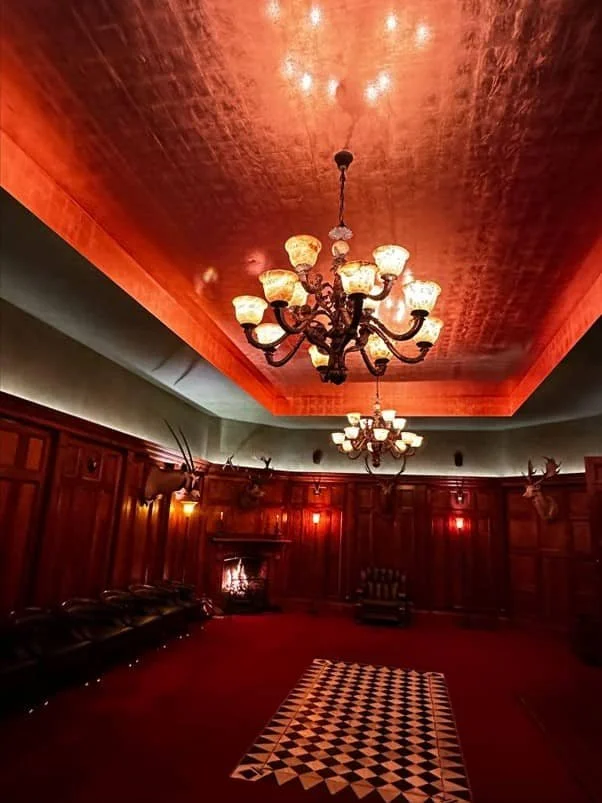
How Long Does Gold Gilding Last in Luxury Homes?
When properly applied to protected interior surfaces in a luxury home, genuine gold gilding can last for decades or even centuries at a time. You can see some wonderful examples of beautiful gold gilding by viewing our luxury home portfolio.
Because pure gold is chemically inert, it does not rust, tarnish, or corrode over time. However, the actual lifespan of the decorative finish depends heavily on the materials and environment.
Key Lifespan Factors
● Placement: Interior ceiling details, mouldings, and high architectural accents out of physical reach can last indefinitely. Surfaces subject to frequent touching or physical friction, such as furniture, will wear down much faster.
● Gold Purity: High-karat genuine gold leaf maintains its brilliant colour forever. Lower-karat alloys or imitation metal leaf (composition leaf/Dutch metal) contain copper or brass and will oxidise or dull within a few years unless heavily sealed.
● Substrate Stability: The ultra-thin gold leaf (measuring about 0.1 microns thick) is only as stable as the base layer. Cracking or shifting in the underlying plaster, wood, or gesso caused by humidity changes will cause the gold to flake.
Signs Your Gilding Needs Restoration
If a piece of luxury furniture that has been in your family for generations, needs to be restored, Walkley Art Enterprise is the team you need to speak to. But how will you know if such a piece needs to be restored back to its original glory?
● Flaking or Peeling: Tiny flakes of gold falling off or lifting from the surface indicate the underlying size or glue has failed.
● Cracking or Crazing: Fine lines or a spiderweb pattern appearing across the gilt surface shows the ground layer is shifting.
● Tarnishing or Discolouration: Dark spots, green corrosion (on alloy or imitation leaf), or a dull brown tint means moisture or dirt has penetrated the protective layer.
● Bare Patches: Visible red or white base material (bole or gesso) is exposed, where the gold layer has completely rubbed away.
If you notice any of these signs, or perhaps you think something else is affecting the shine of your gold gilding, you can invite us into your home to check the state of your gold gilding. Let a professional offer their advice.
Why Skilled Application Extends the Life of Gilding
You can easily watch an online video about gold gilding and have a go yourself, and it might look good to the untrained eye. However, skilled gold gilding lasts much longer, and is a wiser investment in the beauty and vibe of your signature luxury style. We prepare the surfaces perfectly and use precise techniques learned over the years, to apply the thin sheets of gold, and to ensure they don’t crack or peel away in a few years’ time.
Skilled Application Lasts Longer
● Perfect Surface Prep: Our experts clean, sand, and seal the base material. A smooth surface lets the gold stick firmly without hidden air pockets or dust.
● Exact Timing for Glue: Gilders use a special glue called size. They must wait for the glue to reach a specific "tacky" or sticky stage. Applying gold too soon or too late causes it to fall off.
● Smooth Layering: Skilled hands lay down the delicate gold leaf without tears, wrinkles, or overlapping edges that trap moisture.
● Proper Sealing: Professionals know when and how to add protective topcoats to shield the metal from rain, sun, and touching.
The Difference in Lifespan
● Unskilled Gilding: Poorly applied gold leaf can crack, bubble, and peel away in just a few months or years when exposed to weather.
Skilled Gilding: Professional outdoor gilding can last for 20 to 40 years or more. Indoor gilding can last for centuries without fading or flaking.
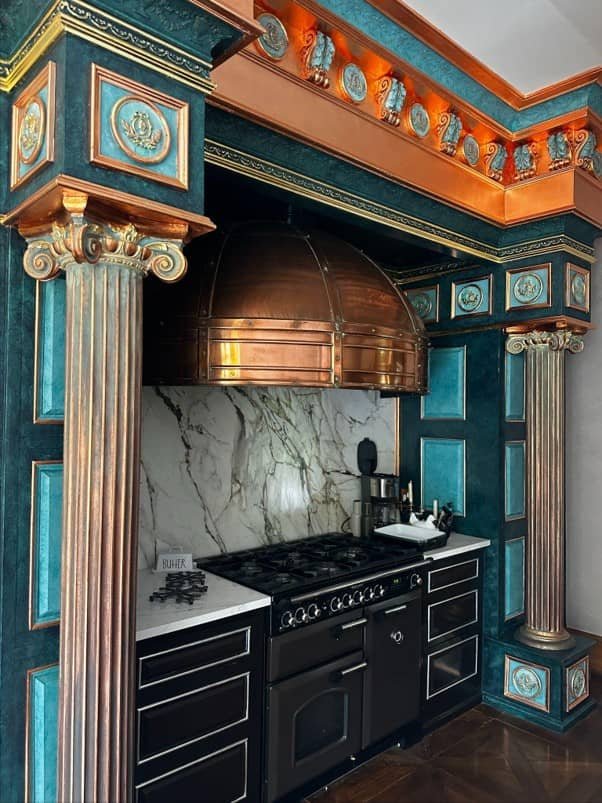
Maintaining and Restoring Gold Gilding Over Time
Gold gilding rewards good care. A light dusting with a soft, dry brush is usually all protected interior gilding needs, and avoiding harsh cleaning chemicals or abrasive cloths will keep the leaf intact for generations. For high-touch areas like handrails or reception desks, periodic inspection helps catch early wear before it becomes a bare patch.
Whether it's a heritage staircase in a private home or a landmark public venue, the difference between gilding that lasts decades and gilding that fails within a few years almost always comes down to who applied it. This is where Walkley Art Enterprise sets itself apart. With over 35 years of hands-on experience, Marcus Walkley and his team bring the surface preparation, precise timing, and technique that genuine longevity depends on, whether that's the Ritz Carlton, the Four Seasons in Singapore, or a private residence featured in the luxury homes portfolio.
If your gold gilding is showing signs of flaking, tarnishing, or wear, or you're planning new gilding work for a luxury home or commercial space, get in touch with Walkley Art to discuss restoration or a new commission.