
Heritage Gilding: Conserving and Matching Original Gold Leaf
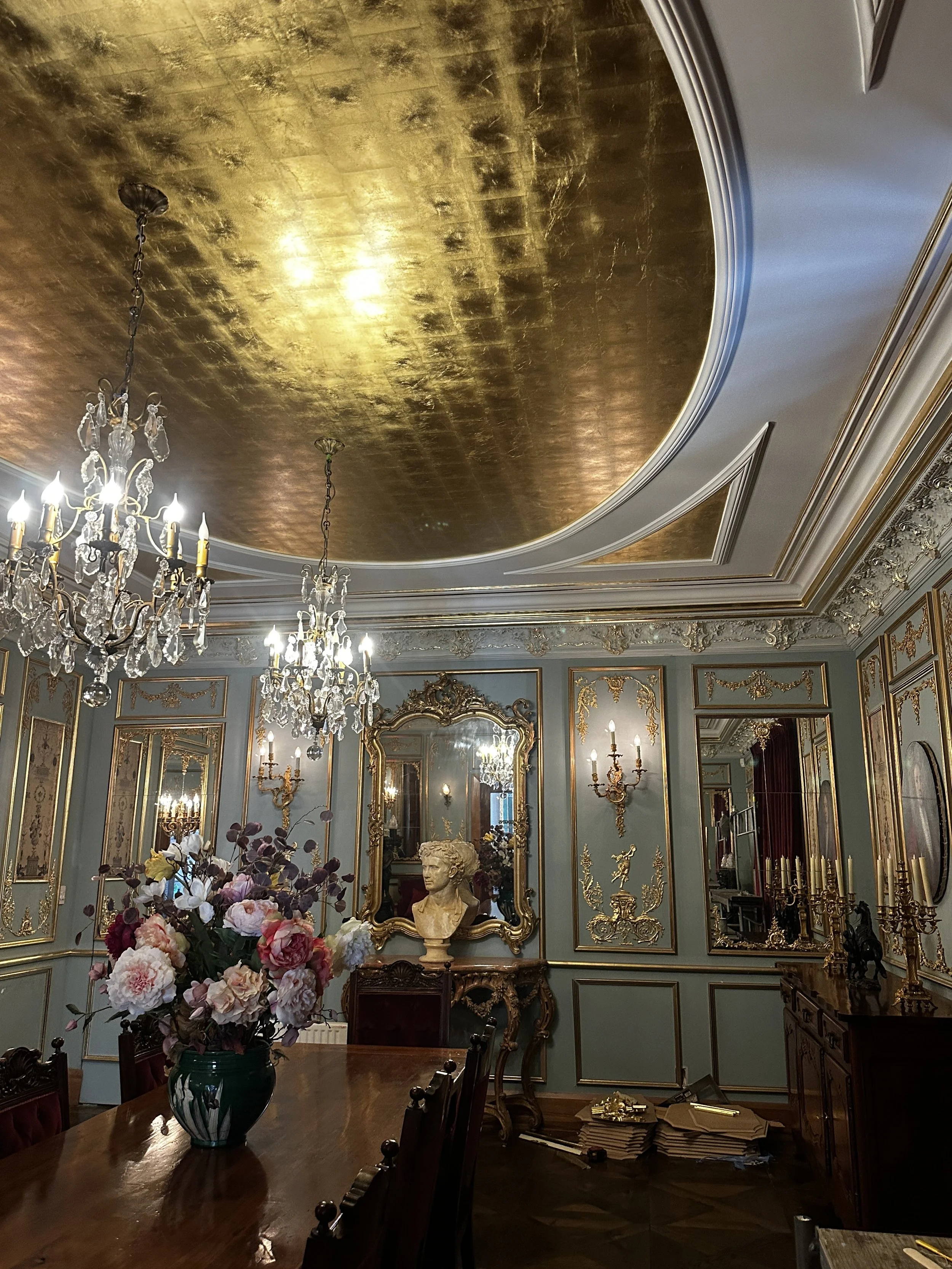
An old gilded surface has to be read first. What was it when it was made, how much of that is still present, and are you better off keeping what survives or gilding it again? Heritage gilding turns on that judgement far more than on any technique, and I am Marcus Walkley, who has been answering it for 36 years. I have restored water gilded gold antique mirrors and applied pure gold leaf to the Pope's Liturgical Furniture. On an old surface, the looking comes long before the leaf.
Our Services


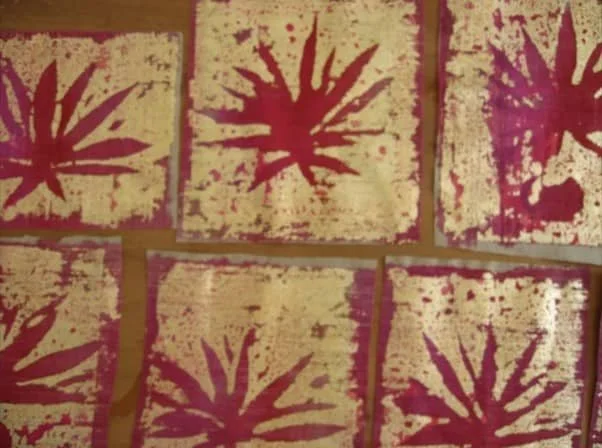
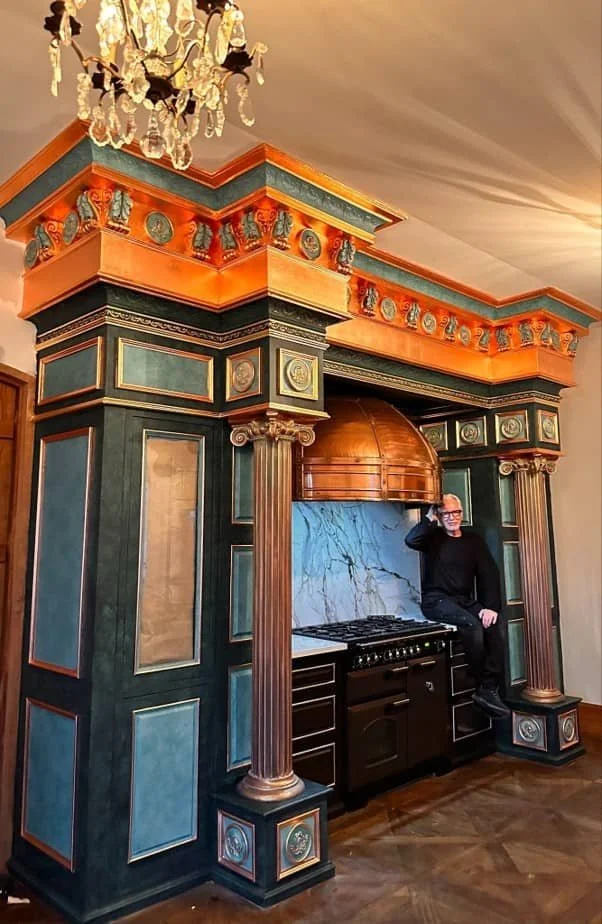

Reading the original before anything is touched
Start with which method laid the gold in the first place, because the answer governs everything after it.
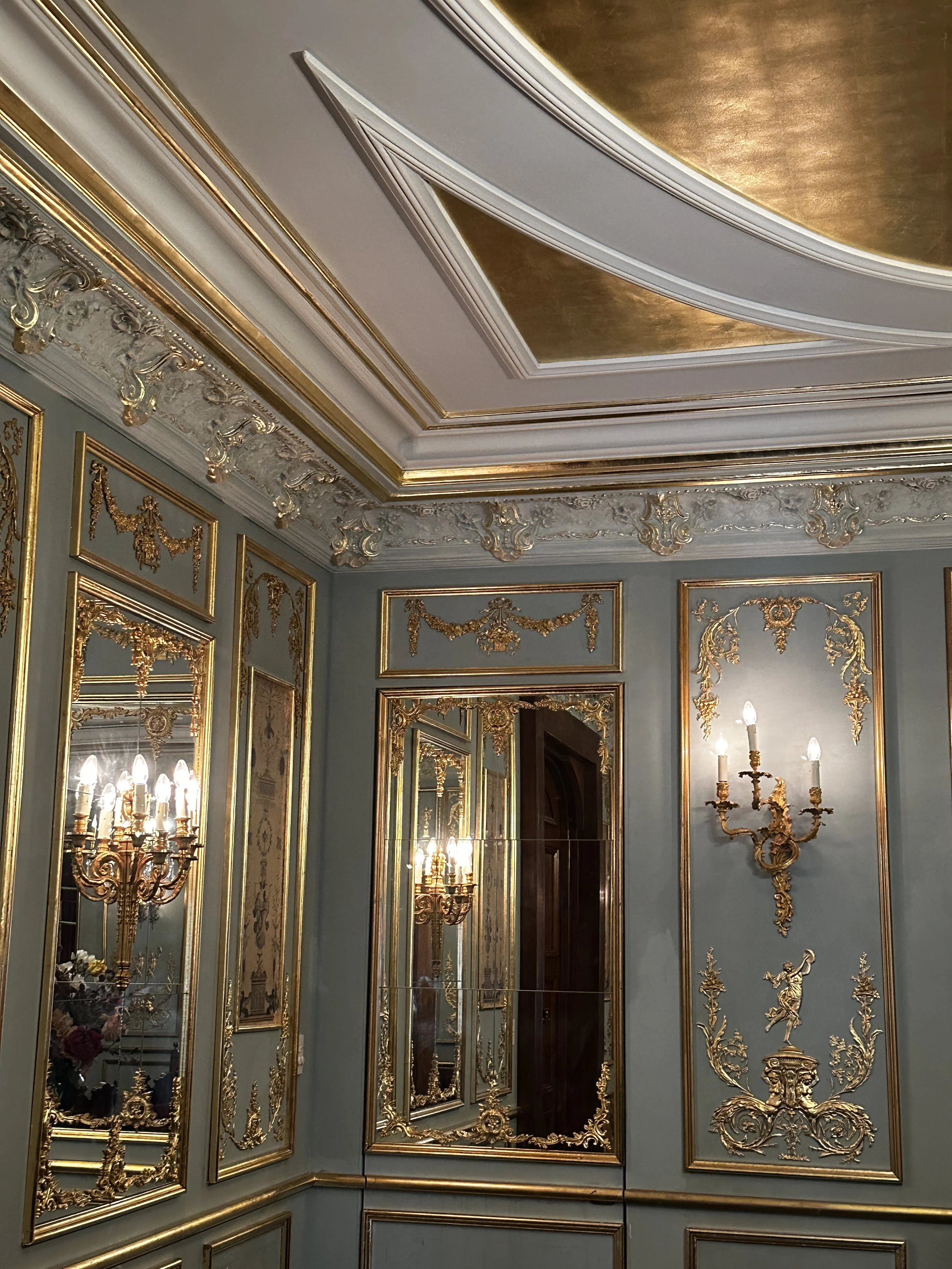
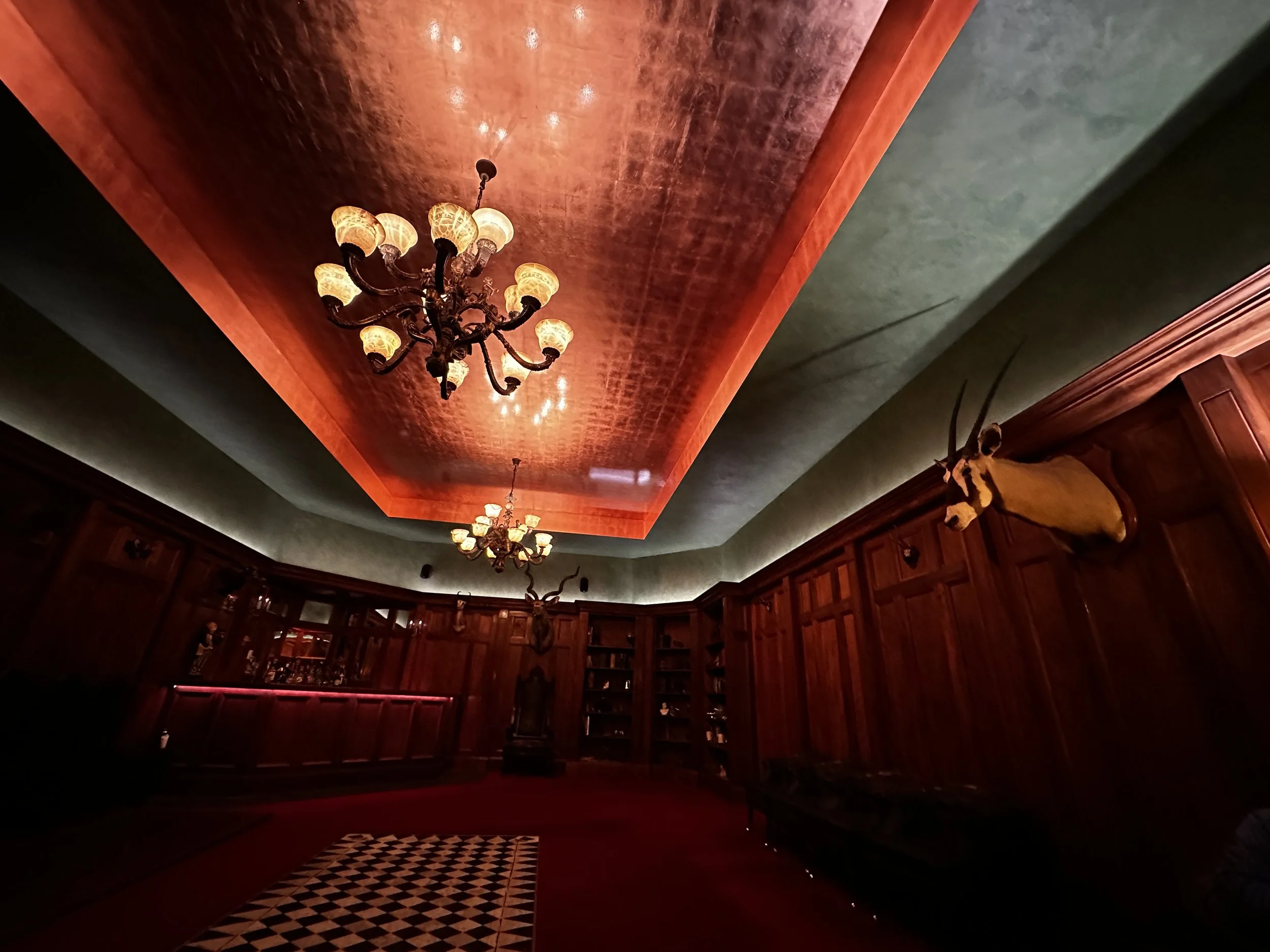
Water gilding is a classical and exacting method, used on frames, sculpture and fine decorative work: the leaf goes down over a prepared surface and can be burnished to a bright, hard shine that oil gilding does not give. Oil gilding lays the leaf over an oil-based adhesive, tougher and less bright, and it is the usual choice for exterior architectural detail. One building often holds both, and each has to be judged on its own terms.
Condition comes next. How much of the original leaf is present, whether the losses are local or general, and whether anyone has already worked on it. A previous repair changes the picture more than age does, and it is the thing most often missing from the photographs I am first sent.
Gold itself does not tarnish. A gilded surface can outlive several repaints of the wall it sits on, and when one does fail the cause is nearly always underneath the gold: movement, damp, or the surface beneath it letting go. A heritage restoration rarely begins with the gold. It begins with whatever is holding the gold up.

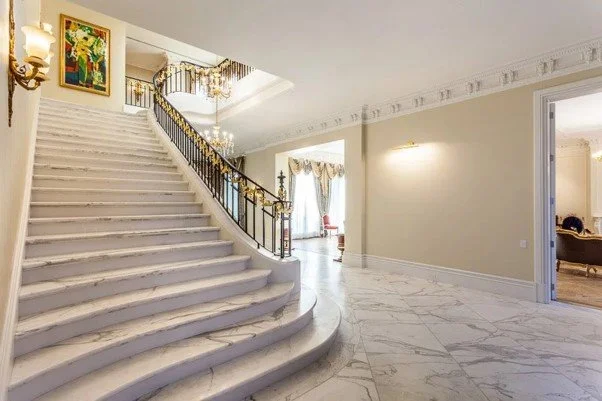
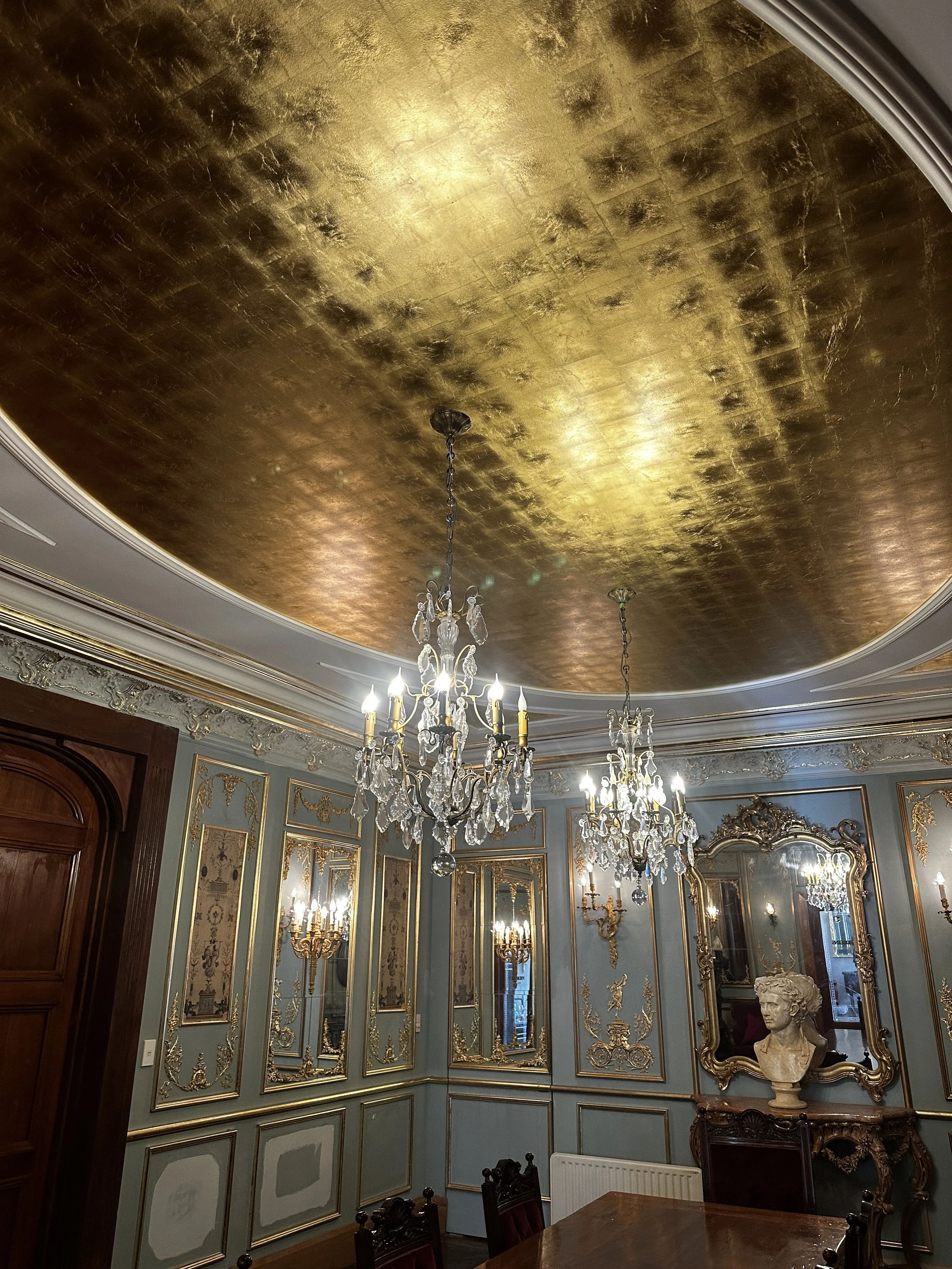
When to conserve, and when re-gilding is the honest answer
Every historical restoration reaches the same fork, and the conservation and restoration decision is made once. It is close to impossible to take back.
Keeping what is there is the default. Conservation practice aims to match the original materials, techniques and appearance rather than to make an old thing look new. Where the original survives across most of the surface, where the losses are localised, and where the age of the piece is part of its worth, conserving is right even though it leaves the work looking its age.
Re-gilding becomes the honest answer in narrower circumstances. The original may be largely gone. The element may have been re-gilded once or twice already, so there is no untouched original left to protect. Or the piece may be in daily use and expected to read as complete from the floor.
Between those two sits the work I do most: new leaf matched into an existing scheme so the repair settles into what is around it instead of announcing itself. It is the hardest of the three.
Where a conservator or a heritage consultant is directing the project, the decision is theirs and I work to it. Asked for the view myself, I give it plainly, including the times the answer is to leave the surface alone.
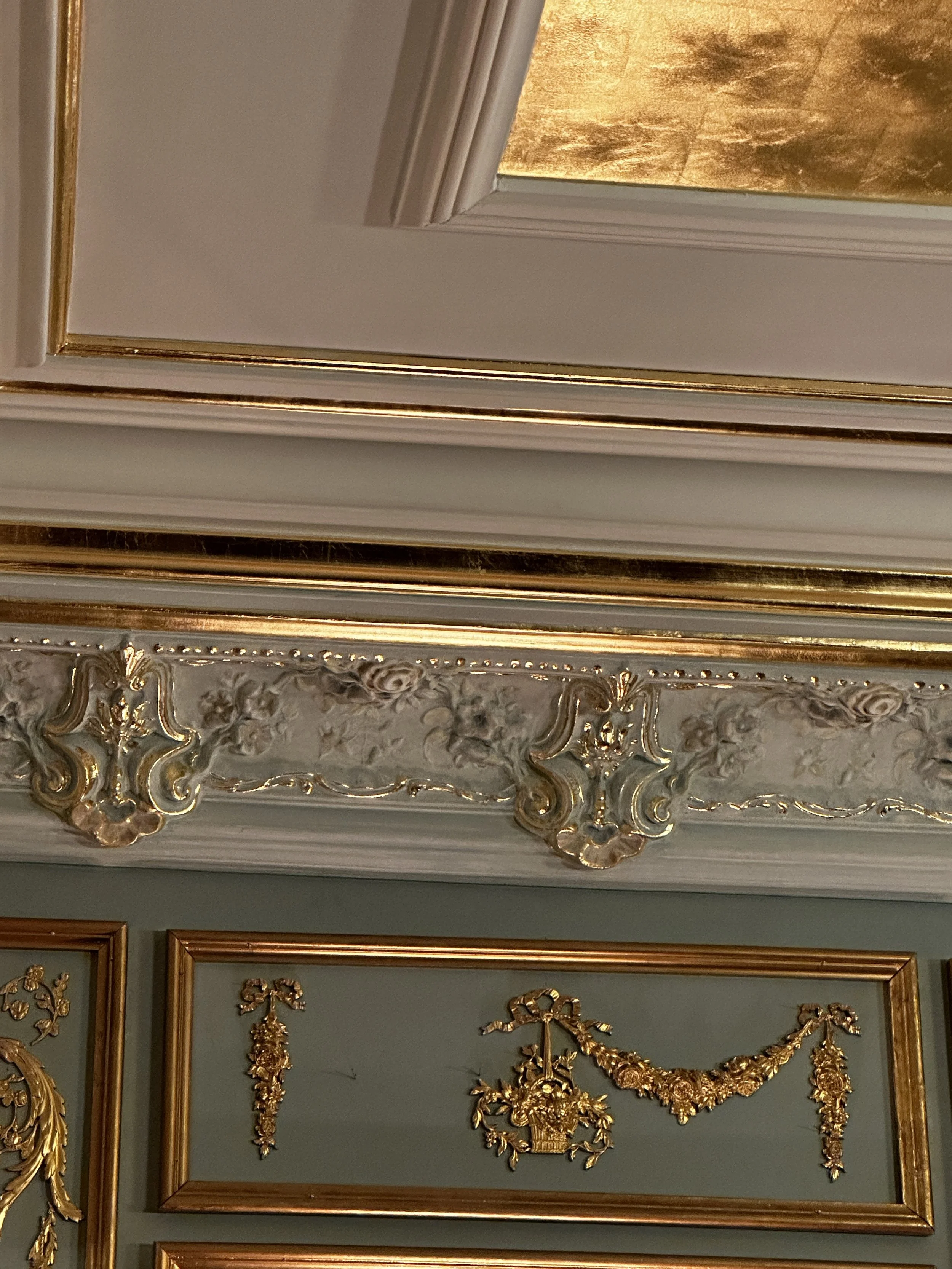
Matching an original in traditional gold leaf
You are matching three things at once, not one, and getting two of them right is not enough.
The metal comes first. Gold leaf is not a single colour, and two leaves that look identical in the book are obviously different laid side by side. Silver and copper carry the same problem. The gold leaf that goes onto a heritage surface is chosen against what is already there, never off a chart.
The method comes second, and this is where a repair usually gives itself away. Traditional gold leaf laid and burnished by water gilding sits at a brightness an oil gilded patch cannot reach, so a repair made the wrong way reads as a repair from across the room even when the leaf is perfect.
Tone comes third. An original surface has had a century to settle, and new gold beside it is louder. Bringing a new area down to sit with the old is done in front of the object, in the light it actually lives in, never from a sample seen elsewhere. There is a spread of surfaces and finishes in my gilding portfolio.
Period homes, heritage buildings and liturgical work
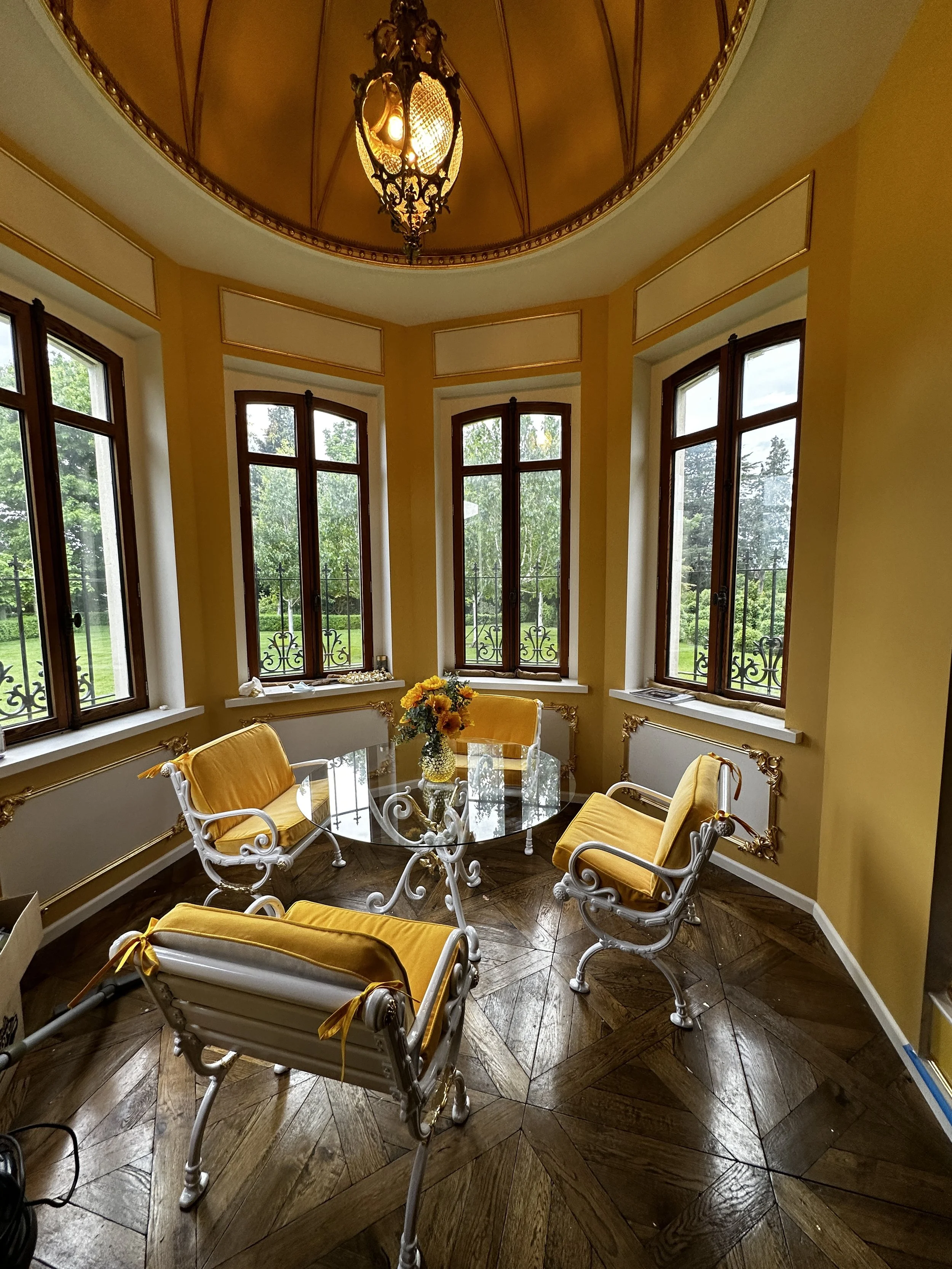
In a period home, restoration is nearly always partial. One overmantel, one set of mouldings, a ceiling rose, a mirror frame older than the house you keep it in. Dr Sandra Short's home in Double Bay, Sydney had stood a hundred years by the time I was called into it, which is the usual shape of this work. Frames and mirrors are where water gilding turns up most often and takes damage most easily; there are examples in my furniture portfolio.
On a heritage building, restoration runs to a programme. Gilding is one strand of a broader decorative restoration alongside the plasterwork, the joinery and the paint finishes, and a heritage building programme usually gathers several restoration specialists at once, each holding one trade. So the gilding gets sequenced against the rest of them, not dropped in at the end. A heritage site otherwise runs like any other construction site: I hold Work Safe Construction Induction and a White Card, and CFMEU membership in Victoria, Queensland and the Northern Territory.
Churches and chapels carry a great deal of gilded surface, and a church restoration reaches the gold sooner or later: altar furniture, statuary, lettering and frames. My own work in that direction is liturgical rather than architectural. I applied pure gold leaf to the Pope's Liturgical Furniture, which sits in my portfolio under the papal visit.
Where the training at Walkley Art comes from
There is one gilder at Walkley Art, and there has been for 36 years. The person who assesses your surface is the person who lays the leaf on it, which counts for more on heritage work than anywhere else. I work from a studio in Elwood and travel to the piece or the building.
The training is the credential that matters here. A Diploma of Fine Art from Prahran Technical College, postgraduate study in Fine Art at the Victorian College of the Arts, and specialist training with Jennifer Bennell at the Studio of Painted Finishes in Sydney. I am a member of the Society of Gilders.
I teach the craft as well, to beginners and to practising artists, through my gilding classes. Teaching forces you to name every step out loud, a useful habit when the job is to explain to an owner or an architect what an old surface actually is. Karla Pincott wrote about the work in Jimmy Hornet Magazine.

What survives decides the rest
Nothing written on this page settles your surface. What is on it, and how much of it survives, settles it. That reading has to come before anyone quotes you a method, because the method follows the finding and not the other way round.
Two questions do most of the work. How old is the surface, roughly. And has anybody been at the gilding before you, because an earlier repair changes what is still recoverable underneath. For anything fixed to a building I will usually want to stand in front of it in its own daylight before saying anything definite.
What comes back from me is a reading rather than a quotation: this is what you have, this much of it is original, and here is whether I would conserve it or re-gild it. Those are genuinely different recommendations and the honest one is often the smaller.
marcus@walkleyart.com reaches me directly, and +61 411 622 711 reaches me faster.

Contact us
Interested in working together? Fill out some info and we will be in touch shortly. We can’t wait to hear from you!