-
 35+ Years Experience
-
 Society of Gilders Member
-
 VCA
Postgraduate -
 International Clientele
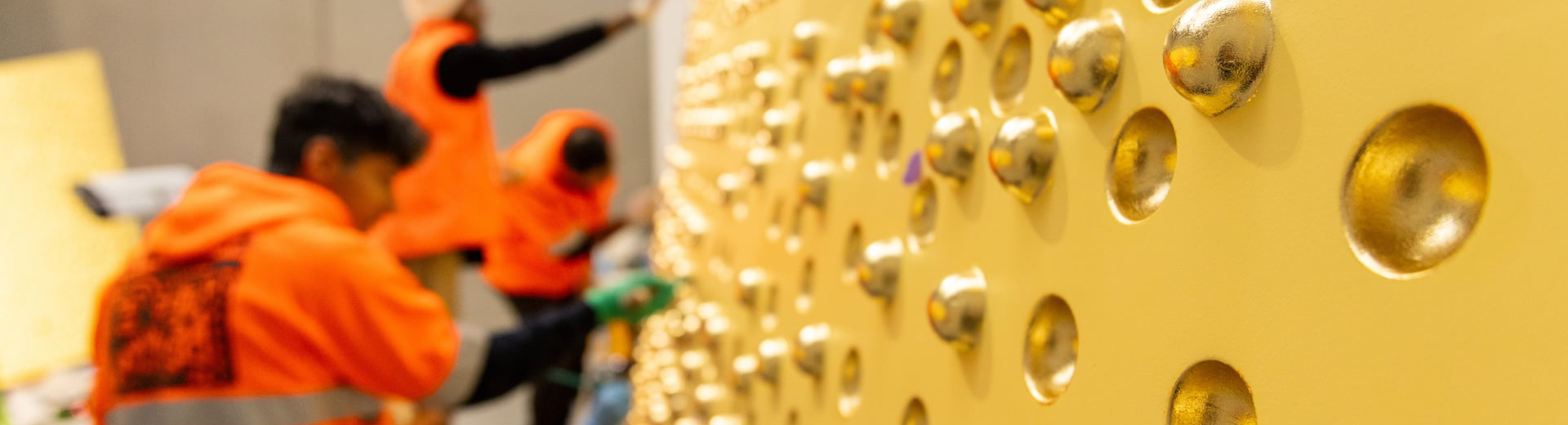
Tell me the surface you want gilded, then tell me when the house was built. The second answer changes more than the first. Boroondara has proposed heritage overlays for 18 architecturally significant properties in Balwyn and Balwyn North. Every one of them was built between 1947 and 1966. That is a mid-century heritage profile rather than a Victorian one. Gilding is all I do. I have worked at it for 36 years under my own name, Marcus Walkley, out of one studio at 143 Brighton Road, Elwood. The services on offer are gold, silver and copper leaf, laid by hand onto a ground prepared to take them.
Why I ask for the year before anything else
An older interior often half-answers the question before I arrive. There is a moulding made to carry gold, a convention about how much of it belonged there, and sometimes a worn trace of the original still in the hollows. I do not assume any of that in a house built between 1947 and 1966.
What takes its place is a decision, and it belongs to you rather than to the building. Where the gold sits, how much of it there is, and what it is going onto all come out of the actual room. That is why I would rather stand in front of a surface than reason about it from the age of the house. The ground beneath the leaf is prepared for that surface and nothing else, and that is what custom gilding means once you get past the word.
The date matters for a second reason that has nothing to do with taste. Whatever sits on the surface now, paint or filler or an earlier finish, decides how much of a day goes on preparation before a single leaf is opened. It is the part of a quote that surprises people most.
If your house is one of the eighteen on Boroondara’s list, put that in your first message. A proposal is not an overlay in force. It still bears on what may be altered and what has to be left alone, and I would rather build that into the scope than meet it halfway through.
What gets gilded, and in which metal
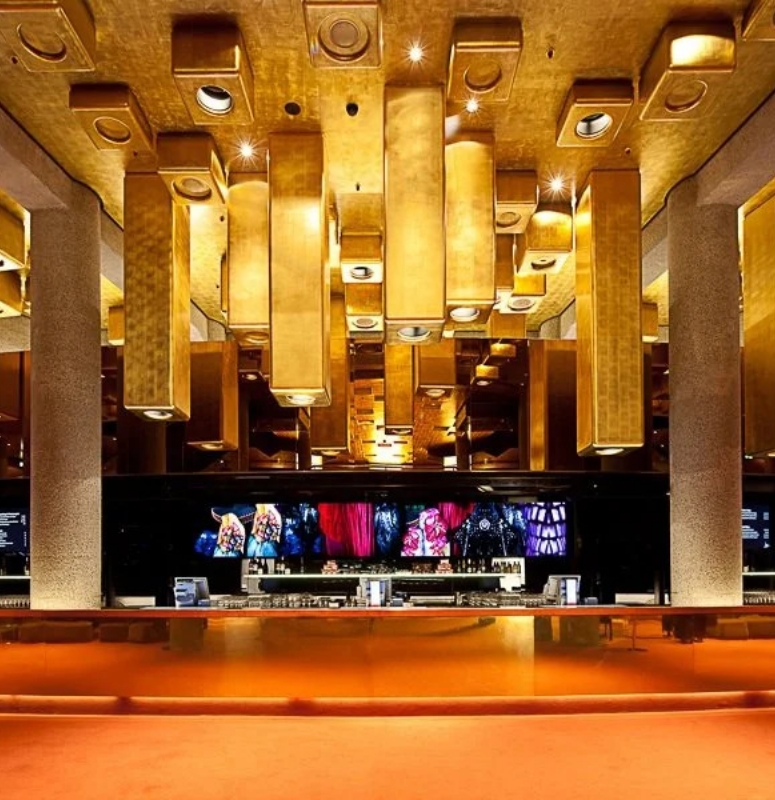
Once you have settled on the surface, the practicalities divide in two. Whatever is fixed to the building gets gilded in place: a ceiling or one bay of it, a wall or a panel within it, joinery, a mirror frame, a sculpture standing where it will stay. A piece small enough to carry is often better done at the Elwood bench and returned to the room afterwards.
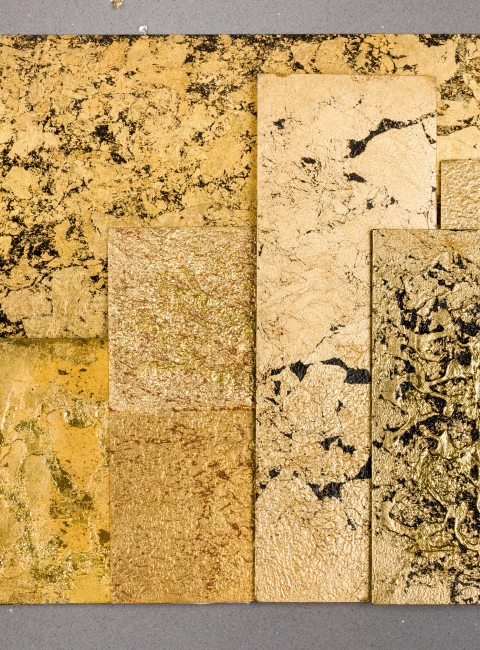
Then the metal. Gold leaf holds its colour indefinitely and asks nothing of you later on. Silver takes a coloured glaze, so it can be warmed, cooled or greyed down to suit the room it lands in. Copper keeps shifting after it is laid unless it is sealed against the air. The light a room gets usually settles which of the three you want, along with whatever the metal has to sit beside.
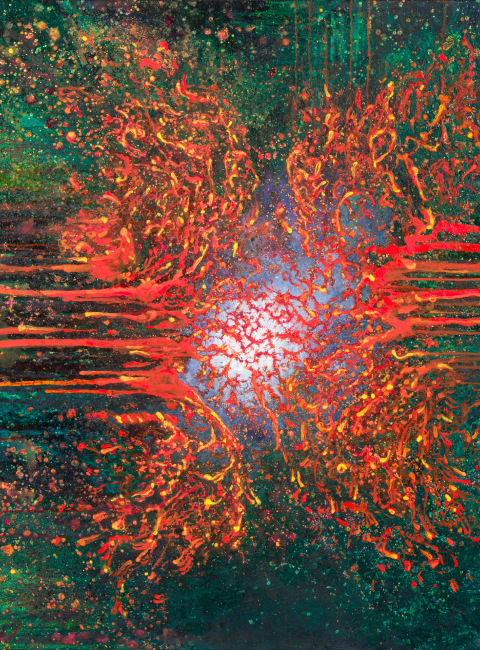
None of this is structural. Decorative gilding earns its keep by what it does to the light, so where it goes matters as much as how much of it there is. Where the thing you want does not exist yet, it becomes a bespoke gilding commission: a panel built around the leaf, or a gilded work on linen. The second hangs in the room rather than being applied to it. Work of that kind sits in the artworks portfolio. If a decorator or an architect is already engaged, brief me alongside them, since a good deal of my work arrives that way.
Walkley Art has always worked both sides of that line
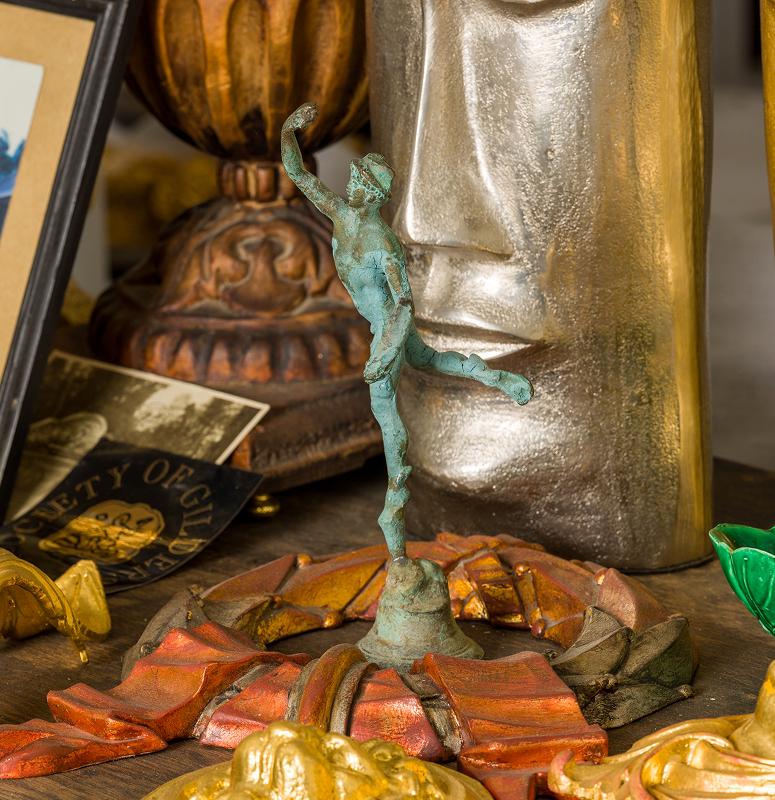
A modern room is not new ground. Across 36 years the work has run from classical water gilding and antique pieces through to bold contemporary finishes, and I have never treated one of those as the serious half. The projects behind it sit on the about page.
Whichever era your house belongs to, the practice around it stays the size it has always been. I read the first email, I look at the surface, and I lay the leaf.
The year, and then the surface
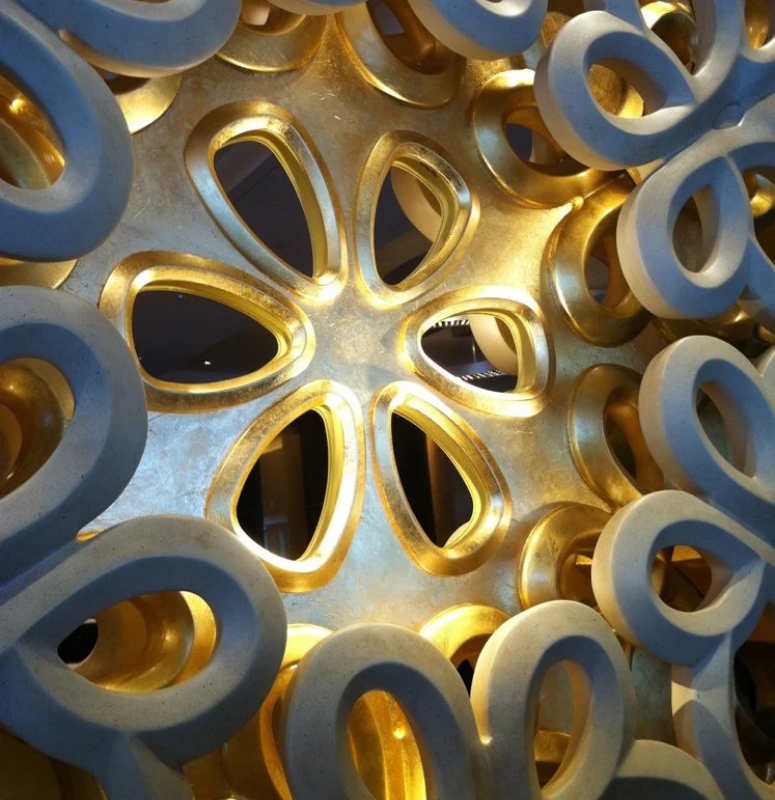
Two answers start a Balwyn job: roughly when the house went up, and which surface you keep coming back to. They tell me whether I am matching something or designing something, and nearly everything else follows from that difference.
Both answers fit inside three lines of an email: marcus@walkleyart.com. A minute by phone, +61 411 622 711, covers them just as well.